

Rain, Mud and Mucking About: Keeping Tamariki Active These Winter Holidays
Keeping Tamariki Active These Winter Holidays
The winter school holidays are nearly here, running from Saturday 4 July to Sunday 19 July. With Matariki falling right in the middle, it is a special time to slow down, gather as whānau, and take a moment to look up at the night sky together.
It is also two weeks of shorter days, colder mornings, and that very convincing pull towards the couch. We understand how easy it is to stay tucked inside.
Here is our gentle encouragement from the Nurture team. Winter can still be a time for movement, connection and play. With a little planning and the right gear, the cold and wet can become part of the adventure.
Why movement still matters in winter
Our tamariki keep growing, learning and exploring all year round. Their bodies and brains are built for movement, even on grey days.
The Sit Less, Move More, Sleep Well guidelines recommend at least 60 minutes of moderate-to-vigorous activity each day for children and young people. This can be built across the day, indoors and outdoors.
Movement supports:
Strong bones and muscles
Confidence with balance and coordination
Better sleep
Focus and learning
Emotional well-being and regulation
In winter, movement can also help lift energy and support mood. We often see how even short bursts of activity can reset a child’s day.
At Nurture, we think about wellbeing holistically. Movement is not just about physical health. It supports the whole child:
Tinana – building strength, skill and confidence to move
Hinengaro – helping children feel calmer, more settled and more in control of big feelings
Whānau connection – creating shared experiences and time together
Wairua – feeling grounded, connected to nature and the world around them
When we support movement, we support the whole child in thriving.
There is no bad weather, just bad gear
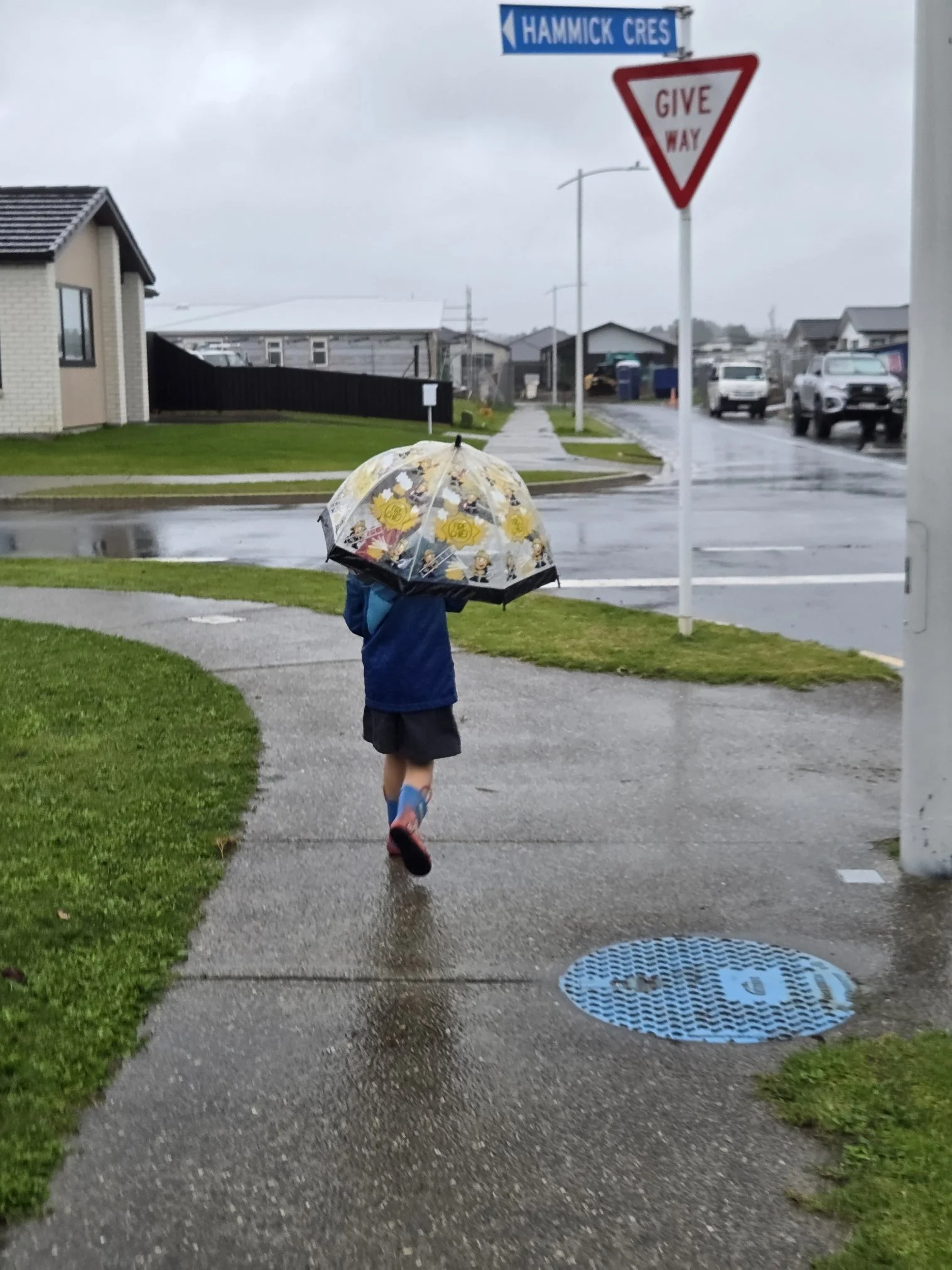
Most wet days can be managed with a warm layer, a waterproof jacket, and gumboots ready for puddles.
A few simple ideas can make outdoor time more enjoyable:
Layer up
A base layer, a warm middle layer, and a waterproof outer layer helps children stay comfortable
Say yes to puddles
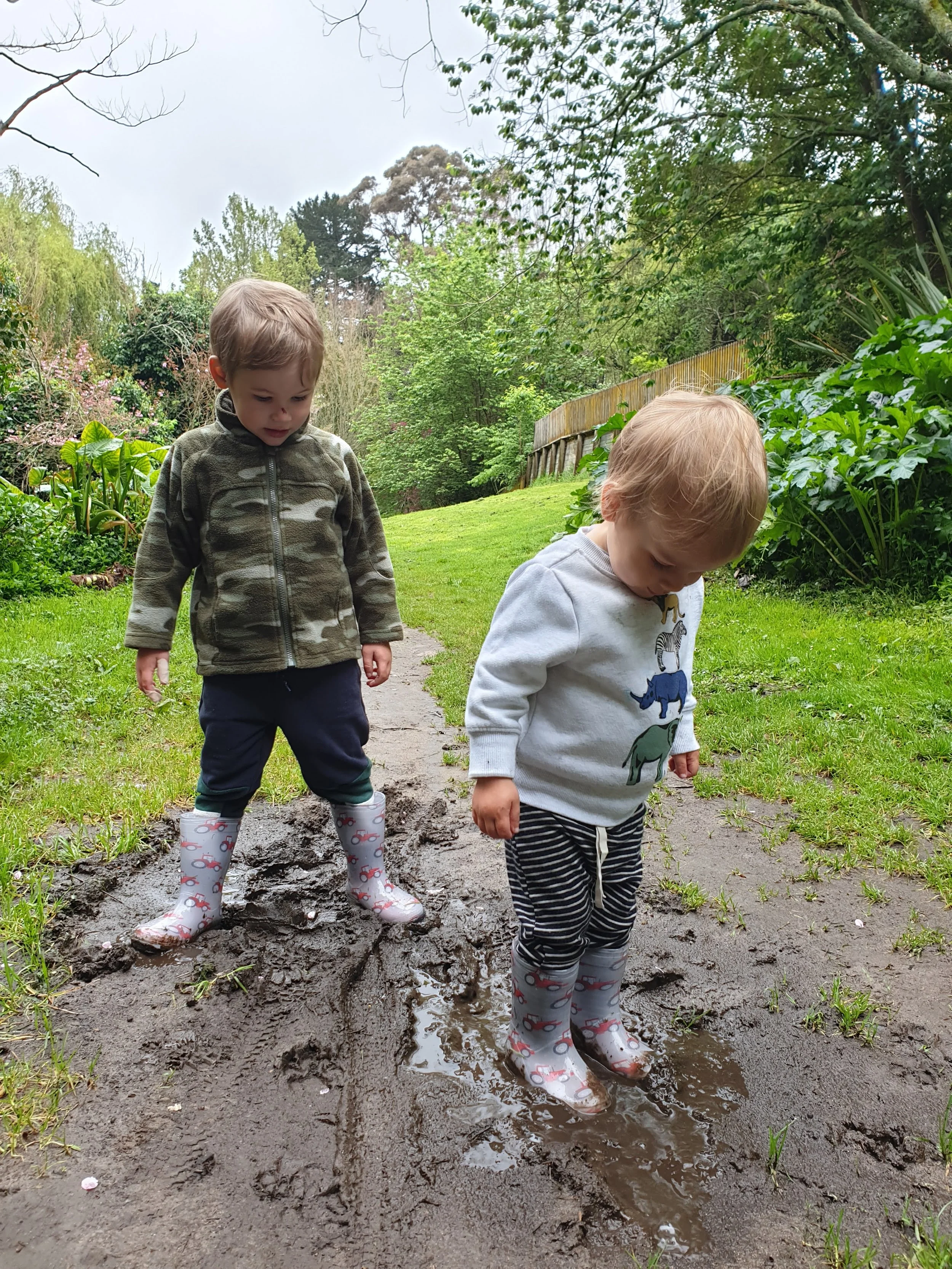
Jumping, splashing and exploring builds strength, balance and joy
Keep it simple
Even 20 minutes outside can make a big difference
Add a cosy finish
A warm drink or bath afterwards can help everyone settle and recharge
Outdoor ideas for winter days in Tauranga
We are lucky to have so many great spaces in the Bay, even in winter.
Beach walks and exploring
Cooler days often mean quieter beaches. Tamariki can explore, collect shells, and run freely. A towel is always helpful, just in case.
Bush walks and reserves
Places like McLaren Falls, Kaiate Falls, or your local reserve offer a rich sensory environment. Mud, sticks, leaves and water create a natural playground.
Scooter and bike missions
A break in the rain is all you need for a quick ride. Local favourites include Te Puna School, Omokoroa Skate Park, Pyes Pa School and Hartford Ave Reserve.
Backyard play
Obstacle courses, chalk games, trampoline play, or even water and mud play can spark creativity. It does not need to be tidy to be meaningful.
Nature scavenger hunts
Simple lists like something red, something rough, a feather or a snail can turn a walk into an adventure. Let your child lead the way.
When the weather keeps you inside
Some days the rain really does settle in. Movement indoors still counts and can be just as fun.
Try:
Animal walks, like bear crawls, crab walks and frog jumps
Drawing or painting on the wall to build shoulder strength
Dance parties or games like the floor is lava
Indoor outings like pools, trampoline parks or climbing walls
Helping with everyday jobs like baking, sweeping or carrying washing
Movement does not have to look like exercise. It is part of everyday life.
Supporting a smooth return to sport
We often notice a pattern at this time of year.
The holidays can mean less activity and more rest. When the school term starts again, sports quickly return to full pace. This can be a big jump for growing bodies.
This is when we sometimes see sore knees, tight calves, heel pain or ankle injuries.
Keeping tamariki gently active during the holidays can help their bodies stay ready. This is not about filling the schedule. It is about little bits of movement, often and playfully.
The takeaway
Your tamariki do not need perfect weather or a full plan.
They need:
A warm jacket
Permission to get muddy
Time to play
A grown-up to join them
Keep it simple, keep it playful, and let winter be part of the experience.
Ka pai, go find those gumboots and enjoy the adventure together.