


Physiotherapy Specialist in Paediatrics
Expert assessment for complex pain and musculoskeletal presentations
At Nurture Paediatrics, Physiotherapy Specialist services are provided by Amanda (Mandy) Meys, Physiotherapy Specialist in Paediatrics, supporting tamariki and whānau where pain, movement, or recovery has become complex or persistent.
Specialist physiotherapy offers an additional layer of expertise when progress has plateaued, symptoms are impacting daily life, or a broader, more integrated approach is needed.





What is a Physiotherapy Specialist?
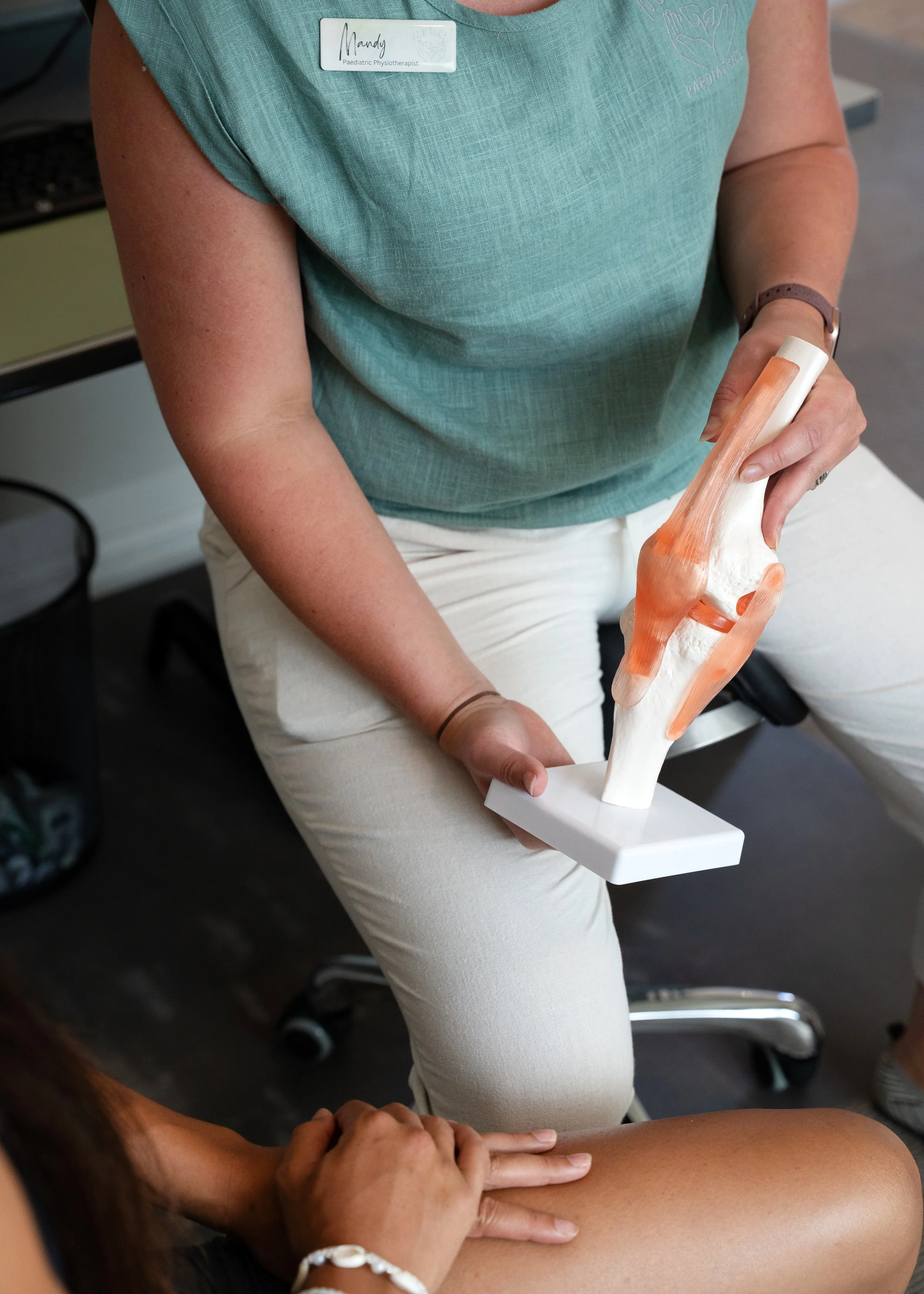
Physiotherapy Specialists in Aotearoa New Zealand are expert physiotherapists with advanced education, clinical reasoning, and demonstrated competence in a specific area of practice. The title Physiotherapy Specialist is a protected title and may only be used by physiotherapists registered in the Specialist Scope of Practice with the Physiotherapy Board of New Zealand.
Physiotherapy Specialists:
Work with complex, difficult, or high‑impact presentations
Provide expert assessment, diagnosis, and treatment planning
Support other clinicians through consultation and shared care
Contribute to leadership, education, and research within the health system
About Mandy Meys
Physiotherapy Specialist in Paediatrics
Mandy is a Physiotherapy Specialist in Paediatrics, Clinical Director of Nurture Paediatrics, and an experienced clinician, mentor, and researcher. Her work focuses on paediatric musculoskeletal pain, persistent pain, and complex rehabilitation, grounded in child‑centred, culturally safe, and evidence‑informed care.
Mandy’s specialist assessments draw on:
Advanced clinical reasoning
Whole‑child and whānau‑centred frameworks
Pain science and contemporary rehabilitation approaches
Close collaboration with referrers, ACC, schools, and allied health
She works as a partner alongside whānau and clinicians, helping clarify what is driving symptoms and what will best support confidence, participation, and recovery.
Specialist input may be beneficial when a child or young person experiences:
Persistent or recurrent pain
Pain that does not align with imaging or test results
Significant fear of movement or distress related to pain
Difficulty participating in school, sport, or daily life
Multiple previous therapies with limited improvement
Complex musculoskeletal or pain presentations requiring integrated care
ACC‑related injuries where recovery has become prolonged or challenging


-
Specialist input may be beneficial when a child or young person experiences:
Persistent or recurrent pain
Pain that does not align with imaging or test results
Significant fear of movement or distress related to pain
Difficulty participating in school, sport, or daily life
Multiple previous therapies with limited improvement
Complex musculoskeletal or pain presentations requiring integrated care
ACC‑related injuries where recovery has become prolonged or challenging
-
You do not need a referral to seek private specialist physiotherapy treatment. However, if your child’s claim is eligible under the ACC criteria for Physiotherapy Specialist Services you will require a referral from another healthcare practitioner. This referral needs to clearly state “Physiotherapy Specialist Assessment”
-
ACC funds Physiotherapy Specialist services for eligible clients under a variation of the Allied Health Services Contract.
To refer under ACC, the referral must:
Be for a child or young person with an accepted ACC claim
Be made by a registered health practitioner
Clearly state “Physiotherapy Specialist Assessment” in the referral
Include:
ACC claim number
Date of injury
Relevant clinical information
-
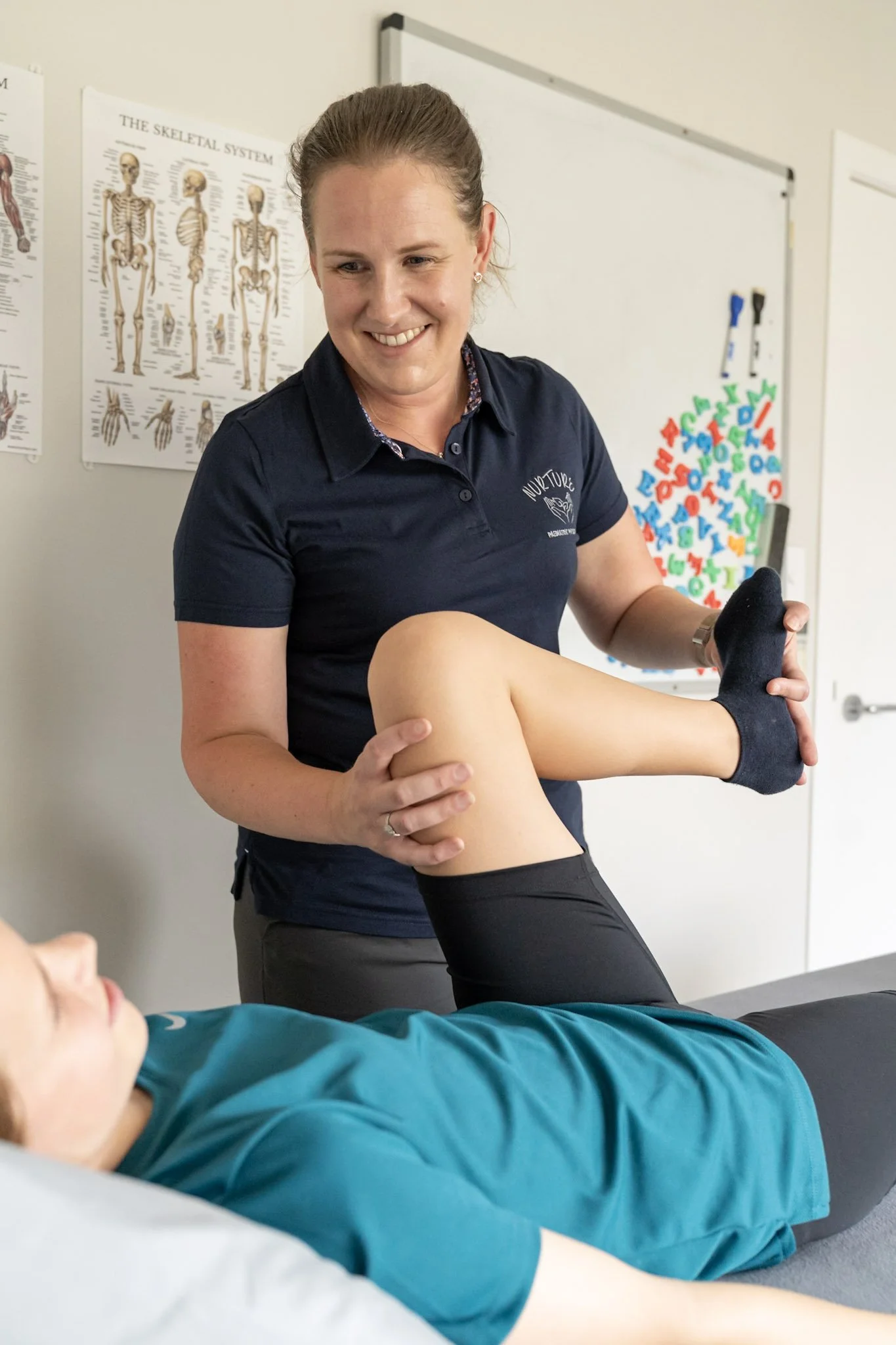
Specialist assessments are typically longer and more comprehensive than standard physiotherapy appointments.
They may include:
A detailed clinical history and understanding of what matters most to the child and whānau
Thorough physical and functional assessment
Exploration of pain, movement confidence, load, and recovery
Review of previous treatments and investigations
Identification of barriers to progress
Development of a clear, individualised treatment and rehabilitation plan
Where appropriate, Mandy provides:
A Specialist Assessment, Rehabilitation and Treatment Plan (ARTP) for ACC clients
Guidance and recommendations for ongoing care
Liaison with referrers and treating clinicians
Short‑term specialist follow‑up or shared care, before returning the child to their primary provider
This approach aligns with ACC expectations for Physiotherapy Specialist service delivery, which emphasise timely expert review, clear planning, and coordinated care.
-
It is always best to check with your specific insurer and policy. Many insurers do support physiotherapy for rehabilitation. If your Southern Cross health insurance policy includes Physiotherapy coverage, we can process a claim for you during your appointment. This will help determine the amount Southern Cross covers for your treatment costs, and we will receive payment directly from them. If you’re uncertain about your coverage, we can verify it online during your appointment for your convenience.
-
For a physiotherapy appointment, wear comfortable, loose-fitting clothing that allows access to the affected area. Shorts or sweatpants are ideal for lower-body issues, while sleeveless tops or singlets are required for upper-body concerns.
Choose supportive footwear. If your physiotherapist recommends specific items, bring them along. Prioritise comfort and ease of movement for effective assessments and treatments.
-
Email referral
Referrals can be sent securely to:
admin@nurturepaeds.co.nzPlease include:
Child and whānau contact details
Referrer details
ACC claim information (if applicable)
Relevant reports or investigation results
SR Referrals Network
Referrals are also accepted via the SR Referrals network. Please ensure the referral clearly indicates Physiotherapy Specialist Assessment.
Once received, referrals are triaged and families are contacted directly to arrange the most appropriate appointment.
-
We understand that plans can change. To provide the best care for all our patients, kindly notify us at least 24 hours in advance if you need to reschedule or cancel your appointment. This allows us to accommodate others in need.
-
If you’re dissatisfied with your treatment, please discuss it with your therapist for prompt resolution. If your concerns persist or you want to make a formal complaint, you can contact the Health and Disabilities Commissioner’s Office at 0800 112233. For general feedback, comments, or compliments, feel free to reach out to us via phone or email. Your input is important to us.