

Physio is Fun: Why the Best Therapy Often Looks Like Play
If you've ever watched a child at physiotherapy and thought, "That just looks like they're playing!", you're not alone.
At Nurture, we hear it all the time.
And honestly? That's exactly what we want!
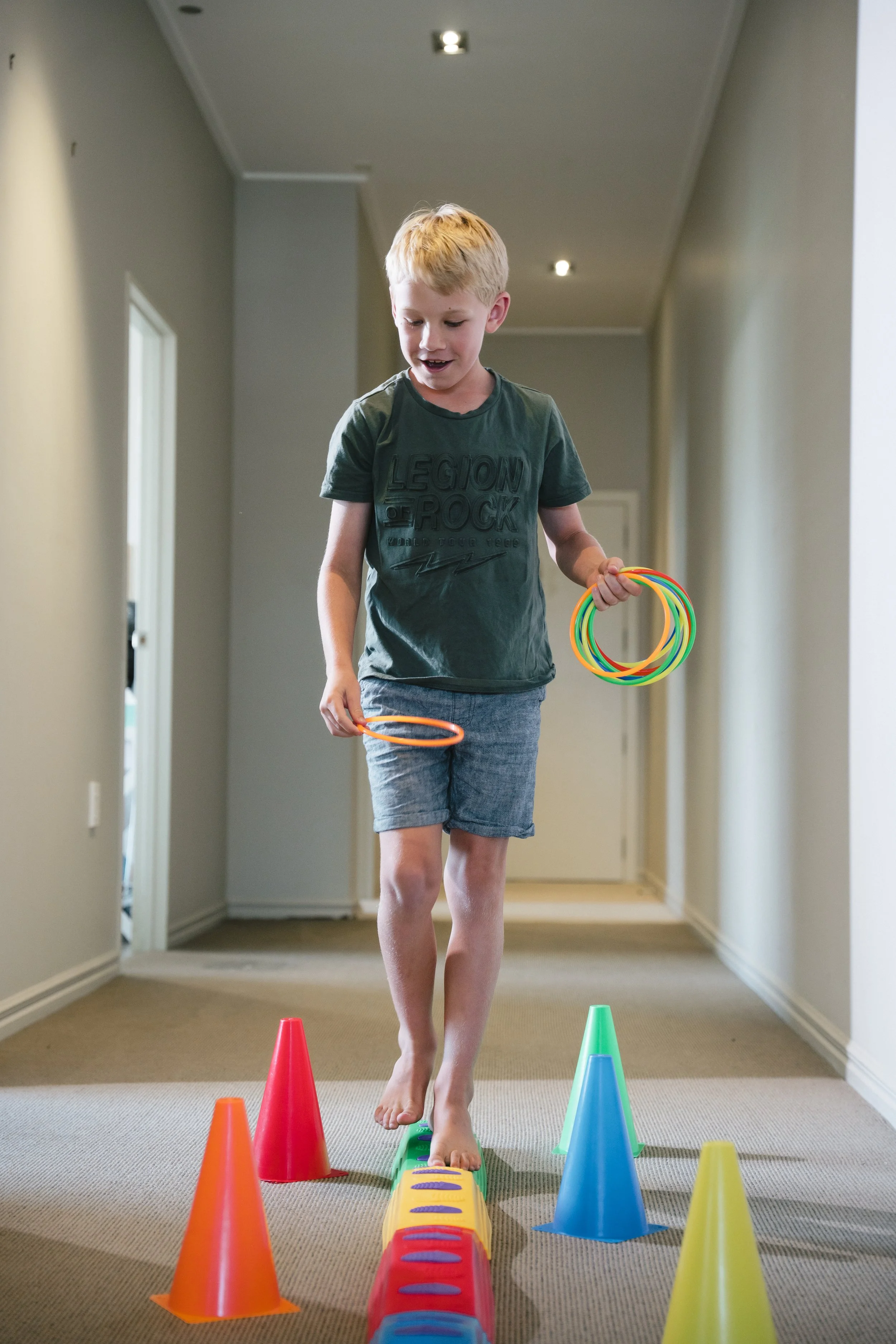
Children aren't just small adults. They move differently, learn differently, and experience the world differently. Their bodies are constantly growing and changing, while their brains are developing new skills every single day. That means physiotherapy for children needs to be different too.
Play is how they make sense of the world, and so the best paediatric therapy doesn't often happen on an exercise mat counting repetitions. Usually (at least with us!) it happens through play, imagination, movement, and fun.
Children Learn Through Play
Adults can usually understand why they're doing an exercise. They can focus on a goal that might be weeks or months away.
Children live much more in the present moment.
If an activity is engaging, exciting, and enjoyable, they're far more likely to participate, practise skills repeatedly, and build confidence along the way.
That's why our clinicians work hard to create sessions that feel like adventures rather than appointments.
One minute a child might be balancing across stepping stones to avoid imaginary lava. The next, they could be crawling through an obstacle course, climbing, reaching, throwing, or racing against the clock.
To a child, it's a game.
To a paediatric physiotherapist, it's carefully designed therapy targeting strength, balance, coordination, mobility, confidence, and motor development.
Growing Bodies Have Different Needs
Children's muscles, bones, joints, and nervous systems are all developing.
Because of this, treatment approaches designed for adults are not always appropriate for children.
A child recovering from an injury, managing a physical challenge, building coordination, or developing movement skills needs therapy that matches their stage of growth and development.
Children also respond differently to motivation. What works for a 40-year-old recovering from a knee injury is unlikely to inspire a five-year-old.
That's why paediatric physiotherapy focuses on making movement meaningful, engaging, and achievable.
When children are having fun, they're often willing to try a little harder, move a little more, and practise skills more often.
And that can make a big difference.
Technology Meets Play: Using Virtual Reality in Therapy
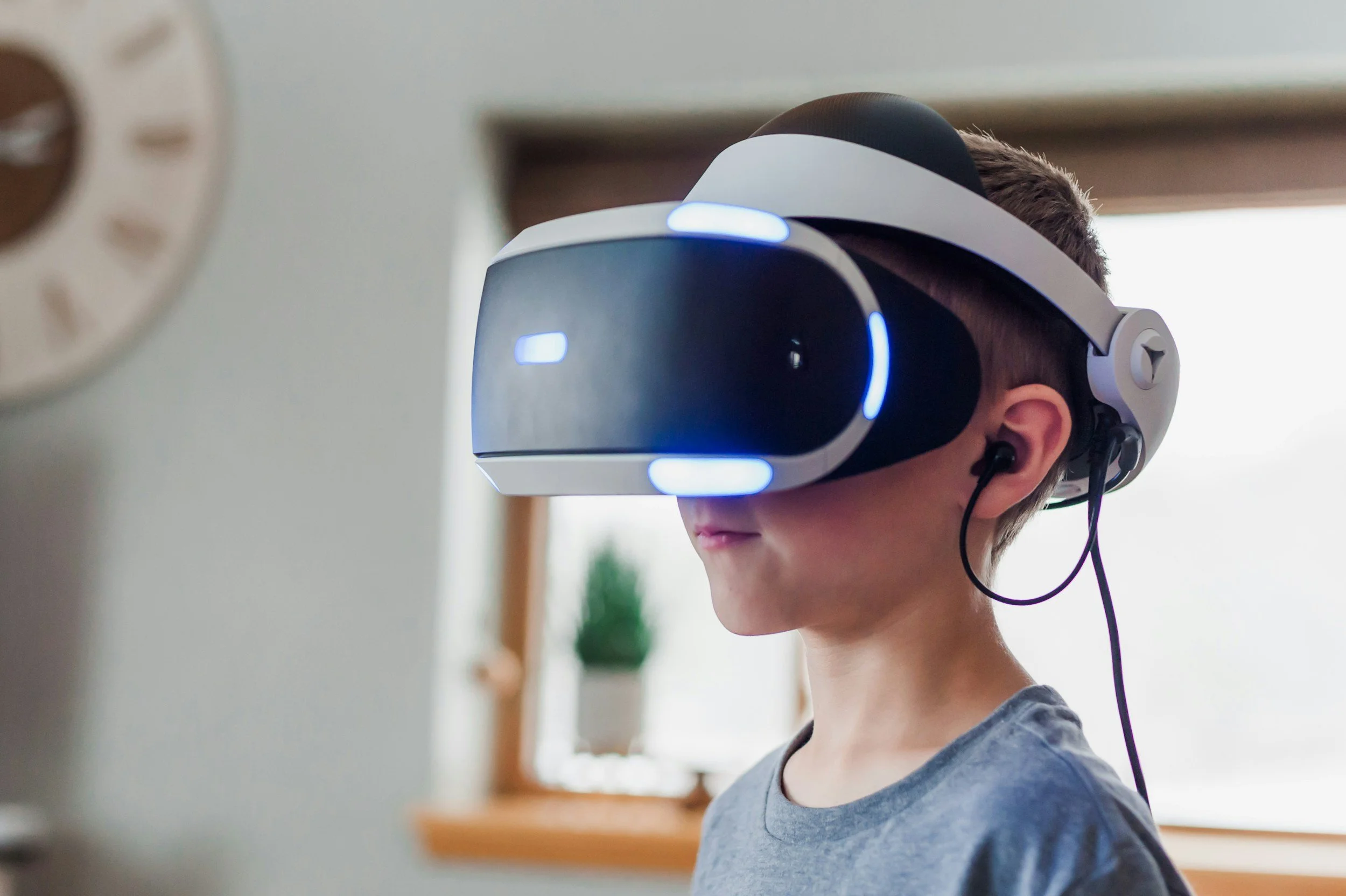
One of the exciting tools we sometimes use here at Nurture is Virtual Reality (VR).
For many children, putting on a VR headset instantly transforms therapy into an adventure.
Instead of focusing on an exercise, they might find themselves reaching for objects in a virtual world, navigating challenges, or completing movement tasks as part of a game.
What they experience as fun and immersive play can provide incredible opportunities for practising movement skills, balance, coordination, endurance, and confidence.
Perhaps most importantly, VR can help some children become so engaged in the activity that they forget they're doing therapy at all.
It's not about replacing hands-on physiotherapy. It's another tool that allows us to meet children where they are, capture their interest, and encourage movement in ways that feel motivating and achievable.
You'll see some examples throughout this page, including videos of our clinicians and tamariki exploring VR-based activities. You can also watch this BBC video on how VR is helping engage children in rehabilitation, and keep an eye out for our very own Abi from Nurture! https://www.bbc.com/news/uk-wales-64270567
Confidence Grows When Therapy Feels Positive
One of the biggest benefits of making physiotherapy fun is the confidence it can build.
Success matters.
When children feel capable, they become more willing to take on new challenges. They develop trust in their bodies, resilience when things are difficult, and confidence in their ability to learn new skills.
Those positive experiences often extend well beyond the clinic and into everyday life, sport, school, and play.
More Than Just Exercise
At Nurture, we know that great paediatric physiotherapy is about much more than exercises.
It's about understanding the whole child.
Their personality.
Their interests.
Their goals.
Their strengths.
By combining clinical expertise with creativity, play, technology, and meaningful movement, we can help children build the skills they need while making the journey enjoyable along the way.
Because when therapy is engaging, children are more likely to participate.
When they're participating, they're practising.
And when they're practising, they're learning.
Sometimes the best therapy doesn't look like therapy at all.
It just looks like fun.
Ready to Learn More?
If you'd like to find out how paediatric physiotherapy can support your child's development, recovery, or confidence in movement, we'd love to help.
Get in touch with the Nurture team to learn more about our child-focused approach to therapy and the innovative tools, including Virtual Reality, that can make movement both meaningful and fun.