

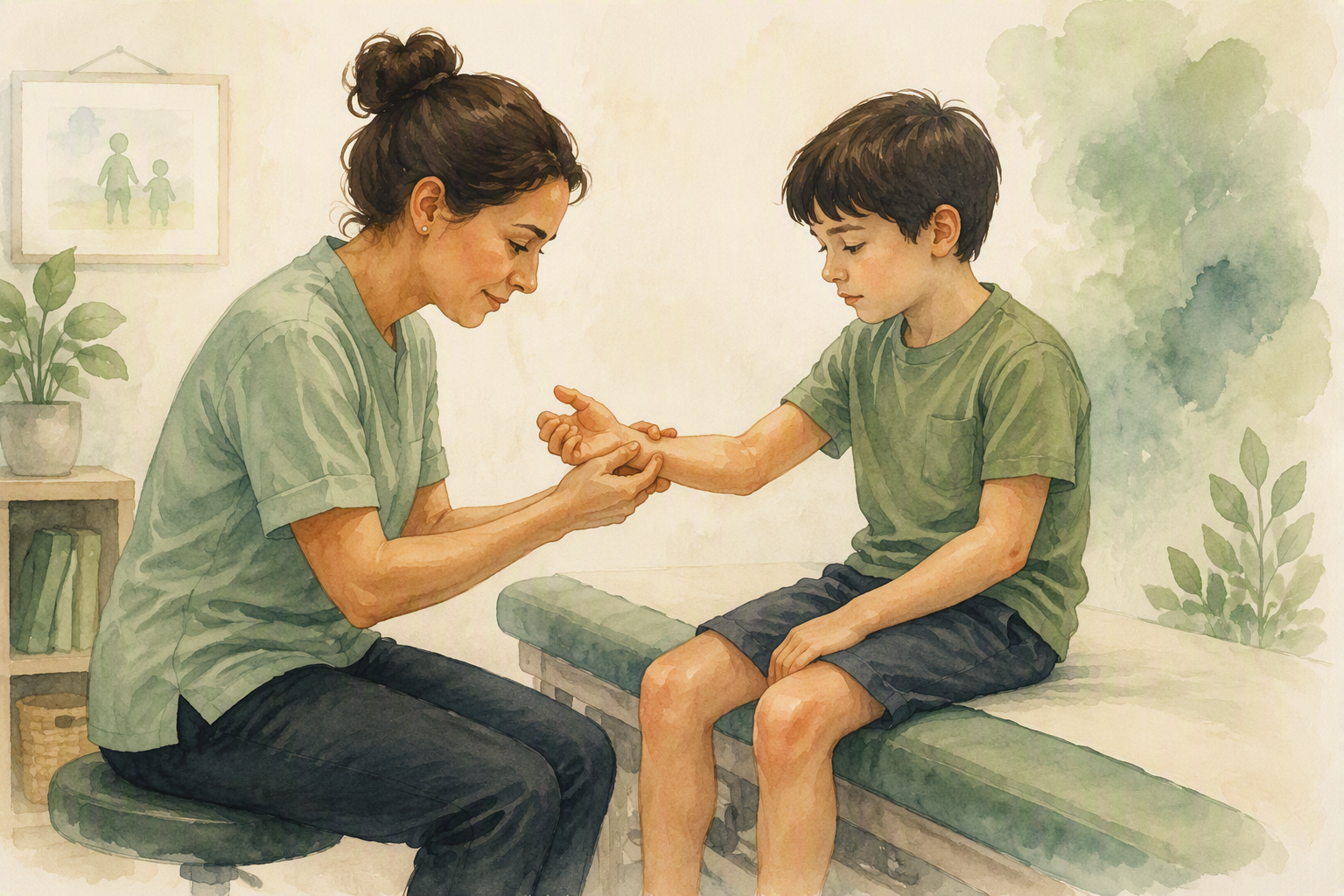
Child Safeguarding at Nurture Paediatrics
Every child and young person deserves to feel safe, respected and heard.
Our commitment to tamariki and rangatahi
Every child and young person deserves to feel safe, respected and heard.
At Nurture Paediatrics, we see every child as maurea, a unique treasure. Safeguarding is central to our mahi and to the trust that tamariki, rangatahi and whānau place in us.
We are committed to creating an environment where:
children and young people feel safe to be themselves
their voice, dignity, culture and mana are protected
whānau are welcomed as partners in care
concerns are noticed early and taken seriously
people can speak up without blame or shame
staff understand their responsibilities and professional boundaries
action is taken when a child may be unsafe
Our Child Safeguarding and Protection Policy applies to every child and young person under 18 who receives our services or interacts with people working at Nurture.

Your child’s rights at Nurture
When receiving care at Nurture, tamariki and rangatahi have the right to:
be treated with respect, fairness and dignity
feel safe and be protected from harm
understand what is happening and why
ask questions and receive information in a way they can understand
be involved in decisions about their care
say no, ask us to stop or request a break
have their words and non-verbal communication taken seriously
have a caregiver, whānau member or support person involved where appropriate
request time to speak privately with their clinician when this is appropriate
have their culture, identity, communication and accessibility needs respected
tell us if something does not feel right
make a complaint and have it taken seriously
These commitments align with the Code of Health and Disability Services Consumers’ Rights, including the rights to respect, dignity, effective communication, information, informed choice, consent, support and a fair response to complaints
How we help keep children safe
Safeguarding is more than responding when harm has already occurred. It includes building a safe culture, supporting whānau early and maintaining clear professional boundaries.
People working with children through Nurture are expected to:
complete appropriate identity, reference, registration and safety checks
undergo Police vetting where required by law or by Nurture’s safeguarding standards
complete safeguarding induction and ongoing training
follow our Child Safeguarding and Protection Policy and Code of Conduct
seek children’s ongoing consent and assent
use clinically appropriate, clearly explained touch
protect privacy during assessment, treatment and changing
use Nurture-approved communication channels
maintain appropriate personal, digital and social-media boundaries
report child-safety concerns, boundary concerns and concerning patterns
cooperate with safeguarding, professional and employment processes
We also require safeguarding undertakings from relevant contractors, room licensees, students, observers, volunteers and regular visitors.
Raising a concern with Nurture
You can raise a concern if:
a child has said something that worries you
you have noticed an unexplained injury or change
something during an appointment did not feel right
you are concerned about a staff member or another adult
you have noticed a professional boundary concern
you are worried about another child’s behaviour
you are concerned about online contact or communication
your whānau needs support and you are unsure where to begin
Nurture’s Safeguarding and Child Protection Lead is Amanda Meys.
If Amanda is unavailable, has a conflict of interest, or the concern relates to Amanda, please contact the Nurture Manager at manager@nurturepaeds.co.nz.
You do not need proof before raising a concern. Please tell us what you observed, heard or experienced. We will listen and consider the safest next step.
Get help or report a concern
If someone is in immediate danger
Call 111 for Police, Fire or Ambulance.
For a non-emergency Police matter, call 105 or use the Police 105 online reporting service. New Zealand Police advises using 111 when something is happening now or someone is in danger.
Concern about a child
Contact Oranga Tamariki:
Call 0508 326 459, free and available 24 hours a day
Use the online Report of Concern form
You can contact Oranga Tamariki even if you are uncertain whether abuse or neglect has occurred and want to discuss your worries with a social worker.
Support for tamariki, rangatahi and whānau
What’s Up: Free counselling support for ages 5 to 19. Call 0800 942 8787 or use What’s Up webchat. Phone support is available daily from 11am to 11pm, with webchat until 10.30pm.
Youthline: Free 24/7 support. Call 0800 376 633, text 234, or use Youthline webchat.
1737: Free, confidential 24/7 support from trained counsellors. Call or text 1737, or visit the 1737 Digital Hub.
Safe to Talk: Free and confidential 24/7 sexual-harm support. Call 0800 044 334, text 4334, or use Safe to Talk webchat.
Netsafe: Advice and support for online harm. Call 0508 638 723, text Netsafe to 4282, or report online harm.
Are You OK: Free 24/7 family-violence support. Call 0800 456 450 or use the Are You OK webchat and support finder.
Health and Disability Commissioner: Learn about your rights or make a complaint about a health or disability service.